$59
Median asking price
$51–$75
Middle half of prices
20
Listings seen
14
In stock now
—
Median time to sell (0 timed)
How rare is it?
Common in trade (early)
For collectors: Common in trade. 20 listings at 4 shops in 12 days; 14 in stock now. Early estimate: under a month of history.
Buy now
Cheapest first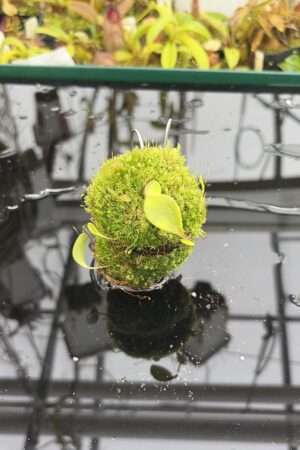
Utricularia quelchii | Best Carnivorous Plants | BCP-138 | H27159
WYSIWYG
Best Carnivorous Plants
$44.99View →
 GOOD PRICE
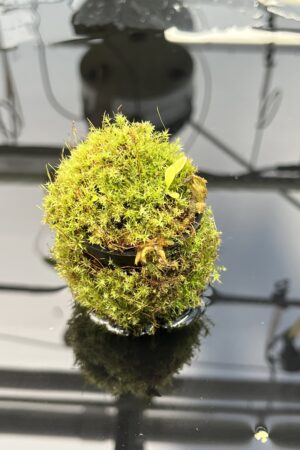
Utricularia quelchii {Peter Harbart clone} | Best Carnivorous Plants | | H25841
WYSIWYG
Best Carnivorous Plants
$50.99View →
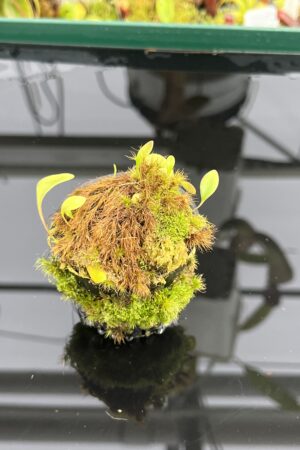
Utricularia quelchii {Kukenan Tepui, Venezuela} | Best Carnivorous Plants | | H23876
WYSIWYG
Best Carnivorous Plants
$50.99View →

Utricularia quelchii Doug D. Clone (Shipped Bare-Root)
$55.00View →
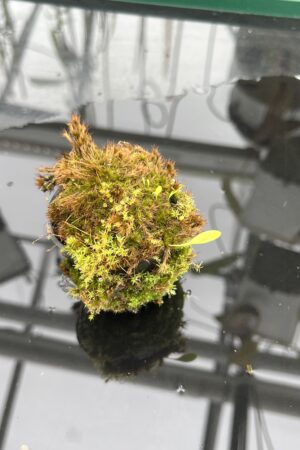
Utricularia quelchii {Peter Harbart clone} | Best Carnivorous Plants | | H25092
WYSIWYG
Best Carnivorous Plants
$59.49View →
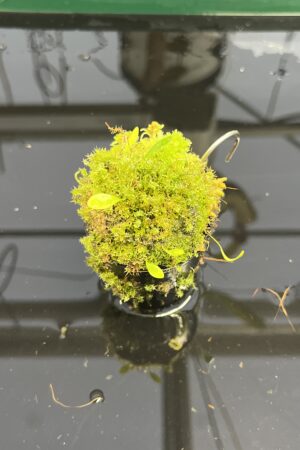
Utricularia quelchii {Peter Harbart clone} | Best Carnivorous Plants | | H23960
WYSIWYG
Best Carnivorous Plants
$59.49View →
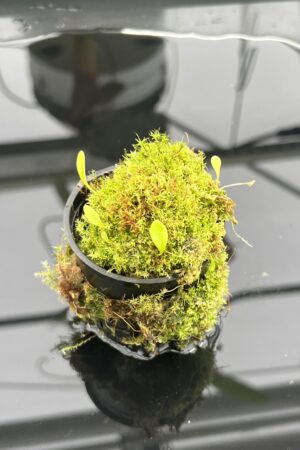
Utricularia quelchii {Peter Harbart clone} | Best Carnivorous Plants | | H23512
WYSIWYG
Best Carnivorous Plants
$59.49View →
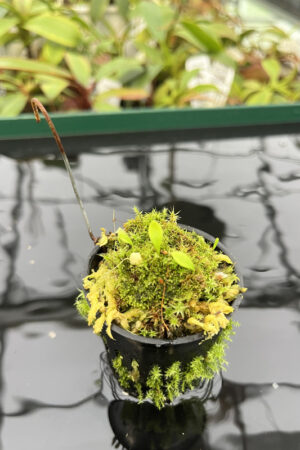
Utricularia quelchii {Peter Harbart clone} | Best Carnivorous Plants | H20294
WYSIWYG
Best Carnivorous Plants
$62.04View →
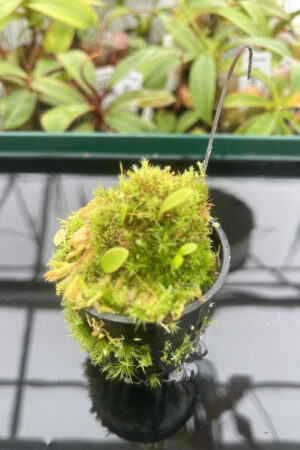
Utricularia quelchii {Peter Harbart clone} | Best Carnivorous Plants | H19756
WYSIWYG
Best Carnivorous Plants
$62.04View →
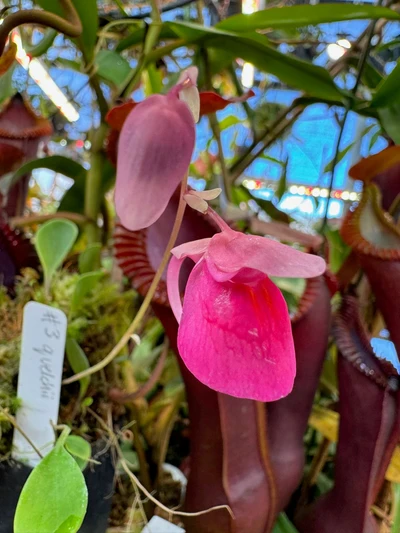
Utricularia quelchii Ilu Tepui #3 (Shipped Bare-Root)
$75.00View →
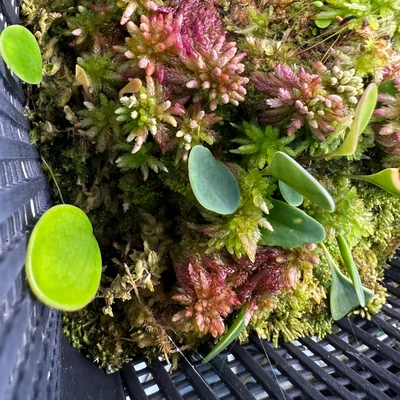
Utricularia quelchii Ilu Tepuis - Epiphytic Bladderwort - Division - JH
$85.00View →
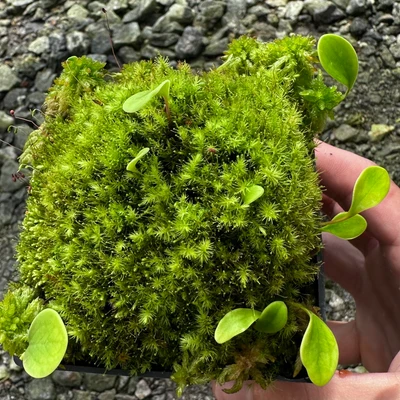
Utricularia quelchii Mount Roraima - Epiphytic Bladderwort - Division - JH
$85.00View →
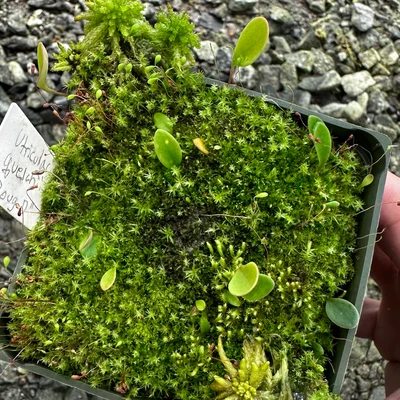
Utricularia quelchii Doug D - Epiphytic Bladderwort - Division - JH
$85.00View →
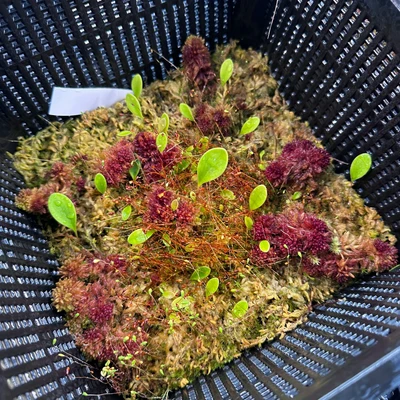
Utricularia quelchii Doug D - Epiphytic Bladderwort - Giant Net Basket
$150.00View →
See what this plant actually sells for. Fair prices, every recorded sale and price trends are free for collectors.
Price history
listed or restocked sold out (price it sold at)
By shop
Asking prices, and what sold| Shop | Listings | In stock | Sold | Sold median | Asking median | Low | High |
|---|---|---|---|---|---|---|---|
| Rainbow Carnivorous Plants | 1 | $50 | $50 | $50 | |||
| Florae Collaborative | 11 | 8 | $51 | $43 | $62 | ||
| Jeremiah's Plants | 4 | 2 | $70 | $55 | $75 | ||
| StarHort | 4 | 4 | $85 | $85 | $150 |
By breeder
Whose line it is, from codes like BE-, AW-, JH- and BCP in listing titles| Breeder | Listings | In stock | Sold | Sold median | Asking median | Codes |
|---|---|---|---|---|---|---|
| Best Carnivorous Plants | 11 | 8 | 2 | $48 | $51 | |
| no breeder given | 9 | 6 | $75 |
Medians need a few sales each before they say much about a breeder premium; codes link to every listing of that line across shops.
Growing conditions
Epiphytic bladderworts (e.g. U. alpina, U. reniformis) by day by night a typical home the coldest it takes · for Epiphytic bladderworts (e.g. U. alpina, U. reniformis)
Houseplant with some help Fine indoors if you can meet one or two extra needs.
- humidity 60%+
- cooler nights for highland species such as U. alpina
- bright indirect light
| Day | 65–78°F (18–26°C) |
| Night | 50–62°F (10–17°C) |
| Never below | 45°F (7°C) |
| Humidity | 70–95% |
| Light | Bright indirect light |
| Water | Mineral-free only (rain, distilled, RO; TDS under ~100 ppm, ideally much lower); moist but well drained, no tray; tiny amounts of fertiliser in the water help |
| Media | 1:1:1 long-fibre sphagnum (Chilean/NZ) : perlite : pumice, or live sphagnum |
| Dormancy | none |
ICPS: best grown in cool, humid basements or greenhouses; U. alpina and U. asplundii are the easiest. Numeric ranges are approximate.
Sources: www.carnivorousplants.org