$13
Median asking price
$10–$16
Middle half of prices
7
Listings seen
3
In stock now
—
Median time to sell (0 timed)
How rare is it?
Wild: Vulnerable Common in trade (early)
In the wild: Vulnerable. IUCN Vulnerable; wild only near Wilmington, NC, where poaching is a felony.
For collectors: Common in trade. 7 listings at 4 shops in 12 days; 3 in stock now. Early estimate: under a month of history.
Buy now
Cheapest first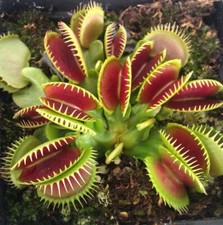
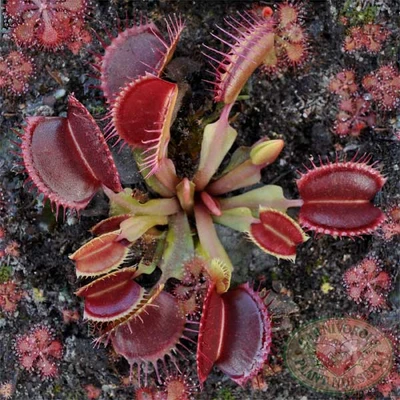
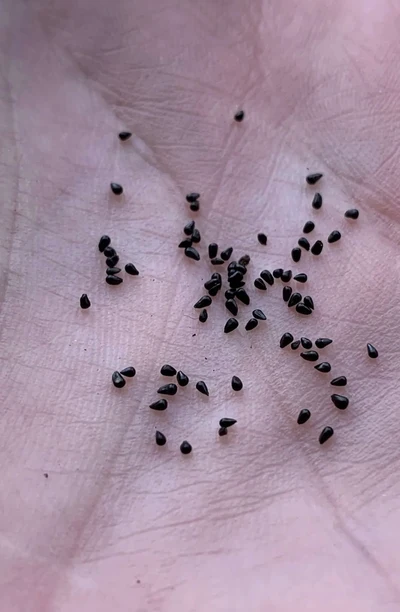
See what this plant actually sells for. Fair prices, every recorded sale and price trends are free for collectors.
Price history
Needs more history.
By shop
Asking prices, and what sold| Shop | Listings | In stock | Sold | Sold median | Asking median | Low | High |
|---|---|---|---|---|---|---|---|
| eBay | 1 | 1 | $9 | $9 | $9 | ||
| Carnivorous Plant Nursery | 1 | 1 | $10 | $10 | $10 | ||
| Predatory Plants | 4 | $15 | $5 | $22 | |||
| Jeremiah's Plants | 1 | 1 | $25 | $25 | $25 |
Clones & forms
Grower codes, clone letters and named forms seen in listing titles| Clone / form | Listings | In stock | Median | Shops |
|---|---|---|---|---|
| 'PPSG' | 1 | $13 | Predatory Plants |
Growing conditions
Venus flytrap (Dionaea muscipula) by day by night winter rest a typical home the coldest it takes · for Venus flytrap (Dionaea muscipula)
Outdoor plant Needs full sun and a cold winter dormancy; declines as a year-round houseplant.
- full sun, 6+ hours (a sunny windowsill is rarely enough)
- winter dormancy for about 3 months near 35-50°F
- mineral-free water
| Day | 70–95°F (21–35°C) |
| Night | 50–70°F (10–21°C) |
| Never below | 20°F (-7°C) |
| Humidity | 30–70% |
| Light | Full sun, 6+ h direct (ICPS); under LEDs, 12-16 h/day at ~15,000-25,000 lux |
| Water | Mineral-free only (rain, distilled, RO; TDS under ~100 ppm, ideally much lower); tray method: stand in ~1 cm of water in the growing season; just damp in winter. Avoid top-watering (Tom's). |
| Media | Sphagnum peat, live/long-fibre sphagnum, or 1:1 peat:sand. ICPS warns against perlite and other potentially salty components. |
| Dormancy | yes, Nov-Feb, about 3 months cold (~35-50F); dormant plants can survive brief hard freezes |
Sources disagree on whether indoor plants need dormancy. Tom's and most growers say yes; one ICPS-hosted page says it only matters outdoors in freezing climates.
More from Tom's Carnivores: The Venus Flytrap: Complete Care Guide